The Canal Street Of Media

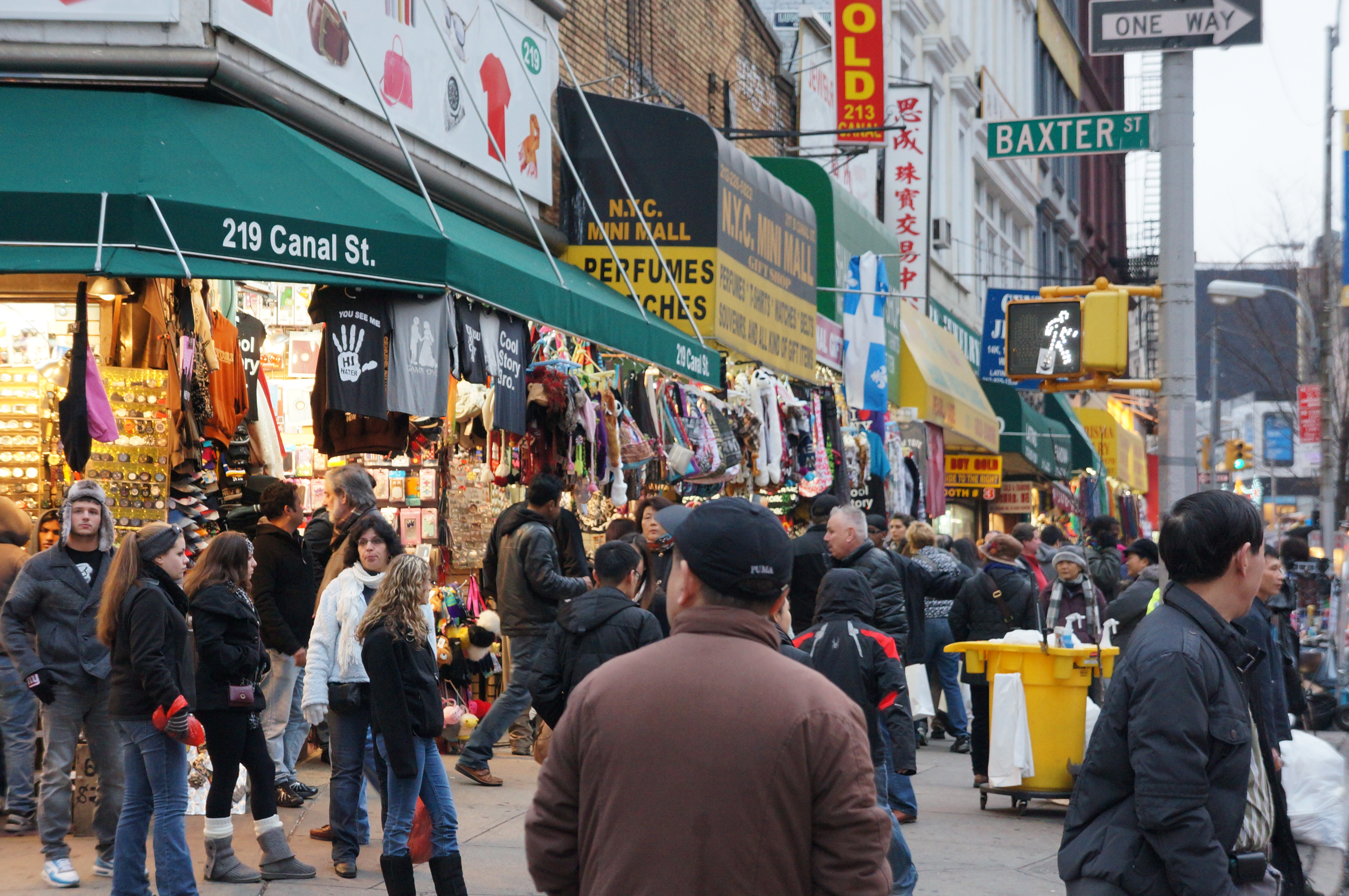
If you get off the New York City subway on Canal Street, it isn’t long before you’re approached by someone selling fake goods.  Preeminent among them are the watch salespeople, but it’s not hard to find fake bags, jewelry, luggage, or just about anything else that has a supposed high value at a very low cost (which can be negotiated lower if you press the seller).  I racked my brain to come up with some other example of consumers knowingly buying fraudulent goods but I am unable to do so.  Oh – except for one: programmatic advertising space in media.
In December 2014, AdWeek reported that, according to an Association of National Advertisers and WhiteOps study, digital advertising was projected to take in $43.8 billion in 2015, and $6.3 billion would be based on fraudulent activity. The average bot level for display ad campaigns throughout the study was 11%, but for programmatic ad buys that number rose to 17% (55% more). Bots account for 11% of display ad views and 23% of video ads and up to 50% of publisher traffic is bot activity, just fake clicks from automated computing programs.  They estimate that between 3% and 31% of programmatically bought ad impressions were found to be from bots, with an average of 17 percent.

Despite the fact that everyone buying digital ad campaigns knows that they might be buying fake goods, a study from the Association of National Advertisers and Forrester finds that 79% of marketers have made programmatic ad buys within the past year. (The growth is staggering: In 2014, the number was 35%.).

“While programmatic buying indeed offers benefits, it suffers from complexity and a lack of transparency,” said Bob Liodice, president and CEO of the ANA. “And that is wasteful. The industry — and marketers in particular — would greatly benefit from a rethink of the entire digital supply chain.”  Ya think?  What’s interesting isn’t that many advertisers are moving programmatic buying in-house where, in theory, they can have more control and better oversight or are taking other steps to deal with fraud: it’s that a significant number aren’t doing so.

Like the shoppers on Canal Street, any marketer who is buying programmatically without asking a LOT of questions and taking actions to increase transparency is knowingly buying fake goods.  Are you?


Leave a comment

Filed under digital media, Huh?

Getting Real

This Foodie Friday, I’d ask for an extra minute of your time so you can watch the commercial below.  It encapsulates our business thought perfectly:

I’d say that the spot is less about “big” food than it is about authentic food.  Real food, made with the same ingredients you’d find at home or in a farmer’s market.  It is yet another manifestation of consumers being sick and tired of lies and their desire for authenticity.  In case you hadn’t noticed, consumers are buying a set of values over a simple brand logo or image these days.   I found this quote from a marketing blog which I think states it well:

The demand for authentic marketing is a reaction from consumers based on decades of deception and deceit from organizations with slick marketing campaigns and smooth interactions with the media. From cigarette manufacturers, food producers, banking and more recently, automotive, the public has become less trusting of the messages shared by corporations. What the public really craves is this: honesty.

You might think that you don’t have this issue, but it goes beyond your products themselves.  For example, how authentic is your social media?  Are you letting the consumers do the talking in their very real voices or are you heavily editing comments?  Have you ever bought followers or likes to make your content appear popular rather than allowing your content to draw consumers to your brand?

Consumers are sick of photoshopped images, “editorial” that’s nothing more than an ad, and “astroturfed” virality.  The age of making products less expensive to produce while making consumers less safe or healthy is gone.  Maybe we ought to factor in the customer’s long-term viability as we think about “cost effectiveness” since their lifetime values certainly will decline if we shorten their lifetimes.  Do you like that notion?

Leave a comment

Filed under Consulting, food

Asking Questions

We’ve all been through a job interview at one time or another. Even those of us who work for ourselves meet with potential clients or vendors and an interview of sorts takes place. I always judged the success of those sessions by the quality of the questions asked and I’d like us to take just a minute to think about that topic. I’ve written before about the specific questions I ask a job candidate.  Today is more abot the quality of questions that the candidate or prospective partner asks you.

First, who is doing the talking? Is the candidate or the interviewer guiding the discussion? My feeling is that the candidate should do more of the guiding of the meeting by asking phenomenal questions. Obviously, there are specific things the interviewer or potential client must elicit, but the truth is that a hiring candidate needs just as much information to be divulged in that discussion.

For example, for every discussion point made about the current business, can the speaker provide a concrete example? If not, maybe they’re speaking about that they want and not about what they have. When they talk about metrics, are they actionable and insightful such as cost per acquisition and the average customer value, or are they vanity metrics like web traffic or social “likes”?

Candidates or potential suppliers/partners who ask the right questions and challenge assumptions are way more valuable than those who don’t.  Which are you?

Leave a comment

Filed under Uncategorized